An Open System Supports a Long Lifecycle
The Fidelix building automation system is open and freely programmable. It makes it possible to integrate devices and interfaces from different manufacturers into the same system and to expand the system as needed.
Openness makes it possible to:
- make use of existing sensors and field devices
- develop and expand the system step by step
- integrate solutions from different service providers into the same system
Compatibility extends the system’s service life, reduces total costs, and supports sustainable development.
Device Compatibility with the Fidelix System
When designing an automation system, device compatibility is often a key question. This site brings together information on connecting different types of devices to the Fidelix system. These devices may include, for example, sensors, valve actuators, meters, or air handling units.
Especially in renovation projects, there is often a desire to make use of existing devices and cabling. For this reason, compatibility assessment is important already at the design stage.
Sensor Compatibility
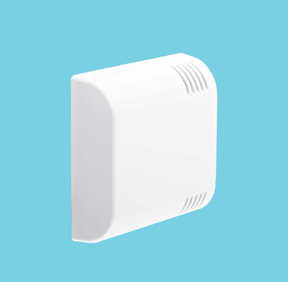
Sensor compatibility usually does not depend on the manufacturer, but on the measurement method and signal type. Fidelix supports common standard signals:
- resistive measurement
- voltage signal 0–10 V
- current signal 0/4–20 mA
These signals can be read into the Fidelix system and converted into measurement data. The conversion is based on the sensor’s table or curve, which is configured in the system. If necessary, customer-specific conversion tables can also be created if the sensor in use does not match the preconfigured tables.
Bus Compatibility
The Fidelix central unit natively supports the following bus protocols:
- Modbus (RTU and TCP)
- BACnet (BACnet/IP and BACnet MS/TP)
- M-Bus (metering)
Other buses, such as KNX, can be connected to the Fidelix system through a third-party gateway. When using a gateway, it is recommended that data be read into the Fidelix system in Modbus TCP format.
What Is Replaced and What Is Retained in Renovation Projects?
When renovating a system, there is often a need to retain existing devices in order to reduce costs and installation work. If the devices have not reached the end of their service life and their operation is reliable, retaining them is often a cost-effective solution.
Typically replaced:
- old controllers and I/O modules
- operator panels and old supervisory solutions (for example SCADA/PC)
- gateways and old system-specific solutions
Typically retained:
- sensors and actuators, if the signals are compatible and the devices are in good condition
- meters (for example heat or water meters), if the data can be read from the bus
- existing field cabling (for example M-Bus, RS485), depending on case-specific evaluation
To ensure smooth data transfer, it is recommended to implement an Ethernet network between central units. Field buses can also be implemented with twisted-pair cabling, such as RS485, but the amount of data traffic and the topology must be assessed on a case-by-case basis.
When deciding what to retain, it is important to verify the condition of the equipment: devices wear out, valves can seize, and the measurement accuracy of sensors declines over time.